Don't believe your eyes
The truth according to FIFA
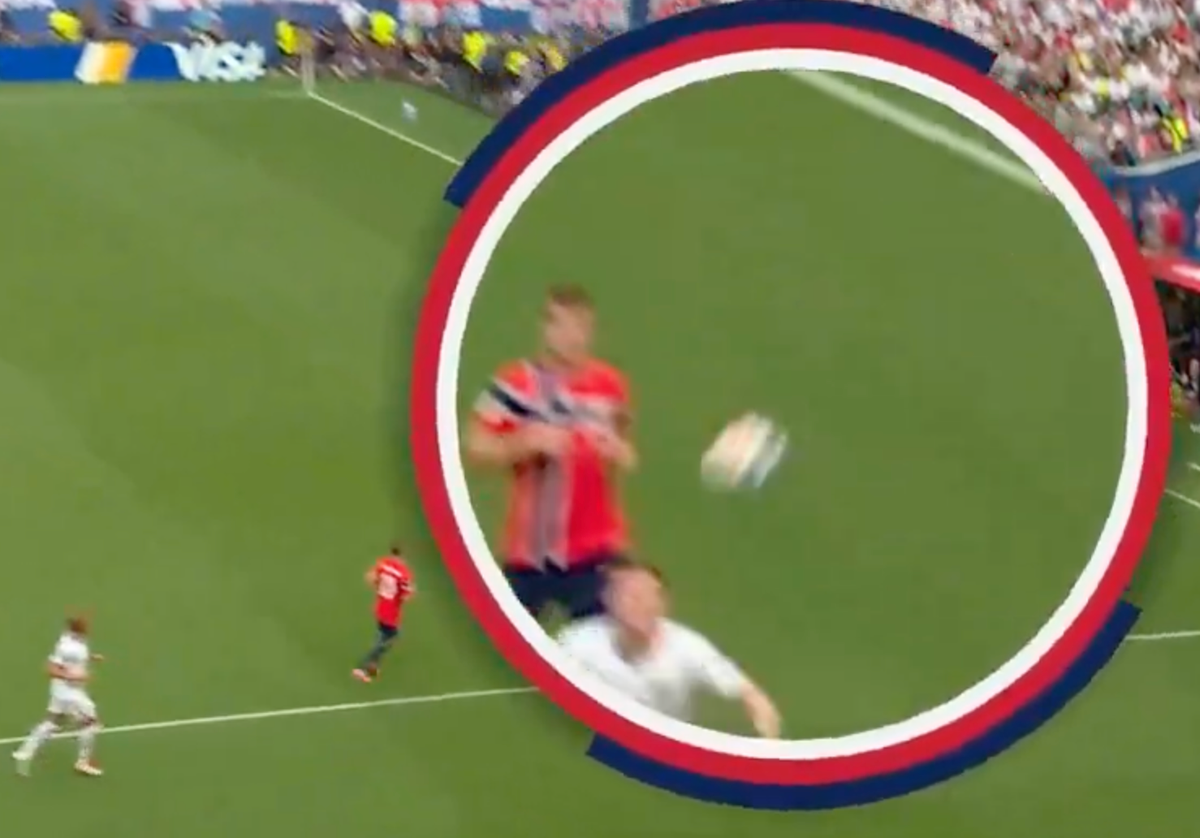
Long-time reader Antonio R. sent news about FIFA's explanation for why England's extra-time goal against Norway during the World Cup was allowed. For me, FIFA shows how not to use data.
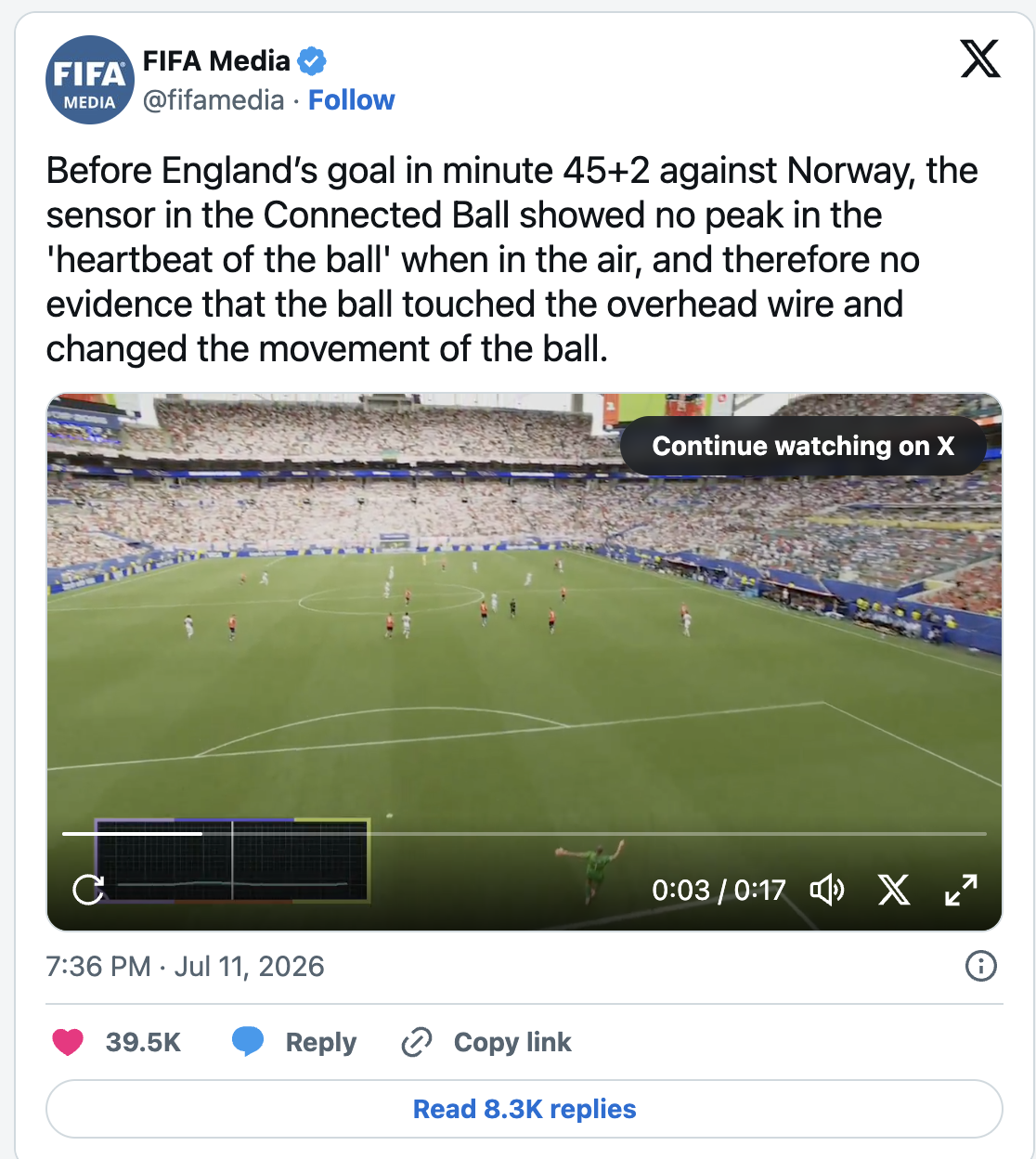
Flash back to the quarter-final match between England and Norway. The match was tied at 1-1 after regulation time during the first half, and we were two minutes into injury time. The Norwegian goalkeeper kicked a long ball past the halfway line. The ball dropped fortuitously to an English player, who collected it and launched a counter-attack. Two passes and a strike later, the ball ended inside Norway's net. England went up 2-1, and that would be the winning goal.
That was when controversy emerged. The observers at Fox Sports noticed that the long ball from the goalie had been diverted mid-air by a hanging cable, which was why it fell to the English player at midfield. On replay, one can see the unnatural trajectory of the ball, as it suddenly executed a vertical drop. Understandably, the match referee didn't notice, and did not nullify the subsequent goal.
Later, FIFA weighed in on the matter, with the following statement:
Before England’s goal in minute 45+2 against Norway, the sensor in the Connected Ball showed no peak in the 'heartbeat of the ball' when in the air, and therefore no evidence that the ball touched the overhead wire and changed the movement of the ball.
They even published the "heartbeat" of the ball.
This reaction raised many red cards, when one considers how data have been brought into the picture.
Firstly, data were trotted out in a show trial. Given the ruling on the field, there was no way that FIFA could have disqualified the goal after the fact, as that would have left the match tied with no winner. In fact, any response short of a confident endorsement of the game-day decision would have fueled more dissent. So data have here been exploited to justify a pre-conceived finding – exactly the kind of "story-first" thinking about which I frequently complain on this blog.
Secondly, the conclusion assumes that data collected by technology are infallible because they are used to push aside the evidence gathered by our own eyes. FIFA did not offer any explanation as to why the ball descended vertically all of a sudden, seemingly in defiance of the laws of physics. They seemed to suggest that our eyes had lied to us. Technology reigns supreme; human senses, not reliable!
Thirdly, the heartbeat chart lacks axis labels. We can't tell what is being plotted. We are told that the ball embeds an advanced sensor. Presumably one of the basic functions of this technology is to trace the trajectory of the ball at all times. Articles like this one alluded to it. Why can't they simply plot the vertical elevation of the ball during flight? Instead, they showed an unintuitive metric that has the reverse logic: while the ball was moving in a parabola, the chart displayed a flat line.
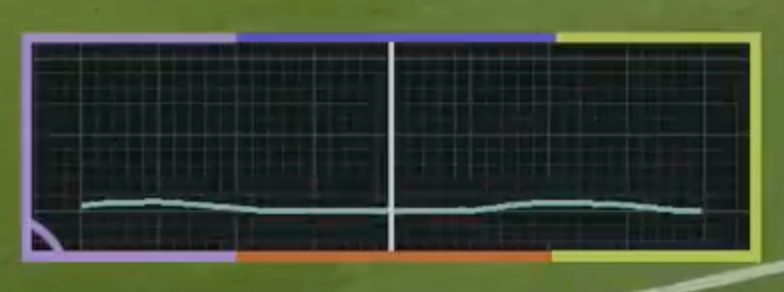
Fourthly, if we assume the technology performed as intended, we have to call into doubt the measure used to detect whether the ball touched a wire mid-flight. Given how obvious the change in trajectory was, how is it that the technology failed to "see" it?
Fifthly, none of these sports leagues release their data so outsiders have no ability to validate the analyses.
The post-match announcement contained cherry-picked data that support a pre-determined conclusion, and nothing more.