Recent AI use cases
Current efficiency and future worry

LLMs have become much more useful over time, and I'm happy to share some successful use cases. Read till the end to find out whether the good times will last.
Use Case 1
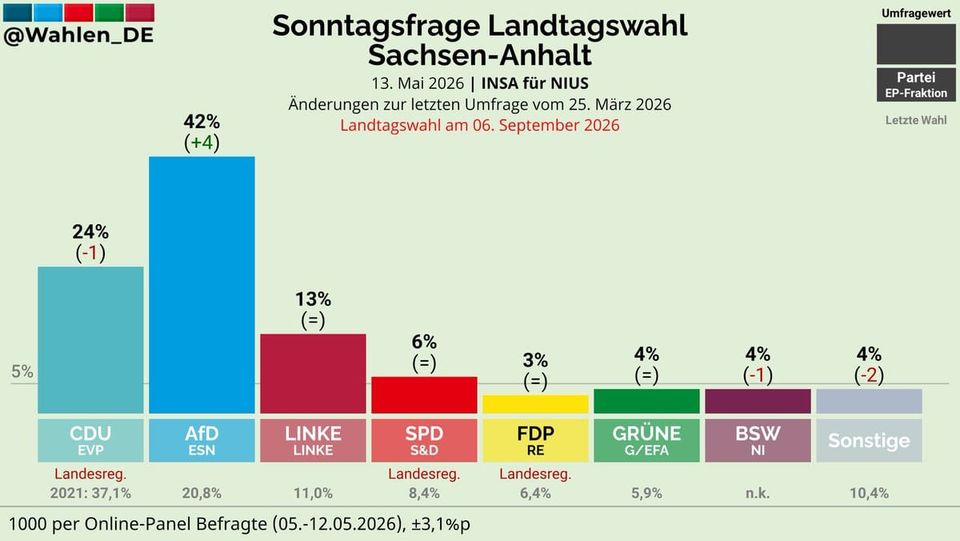
A recent #dataviz post was based on an image of a chart sent to me via Twitter.
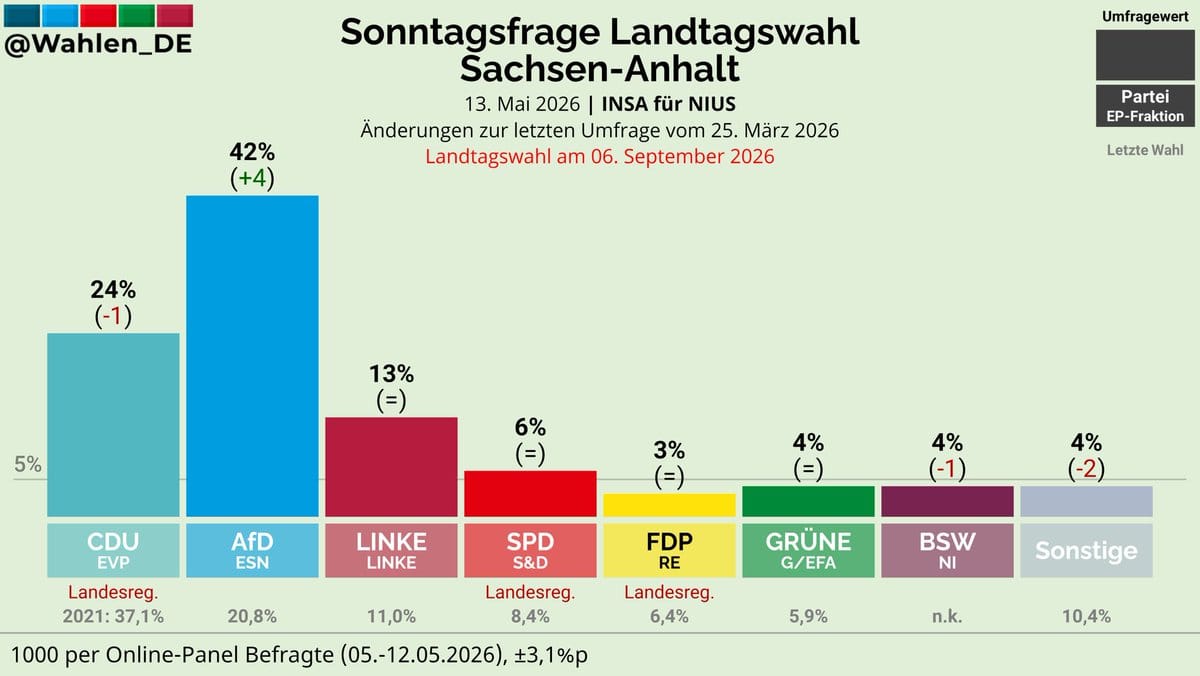
This type of request typically poses two challenges: I don't speak the language, and I don't have the underlying dataset. In the past, I'd manually translate, and painstakingly copy the data from the published chart.
Taking advantage of the advancement of AI, I uploaded the image to GPT, and asked it to translate all the text in the graphic, and extract all the numbers into a spreadsheet.
These tasks were done really well. It didn't miss anything; even the 5% line was described.
Use Case 2
I visited a website looking for a schedule of speakers at a week-long event. The site was designed in the most perplexing way. The schedule was laid out in a single page, and yet each day had a separate tab that must be clicked on to see its details.
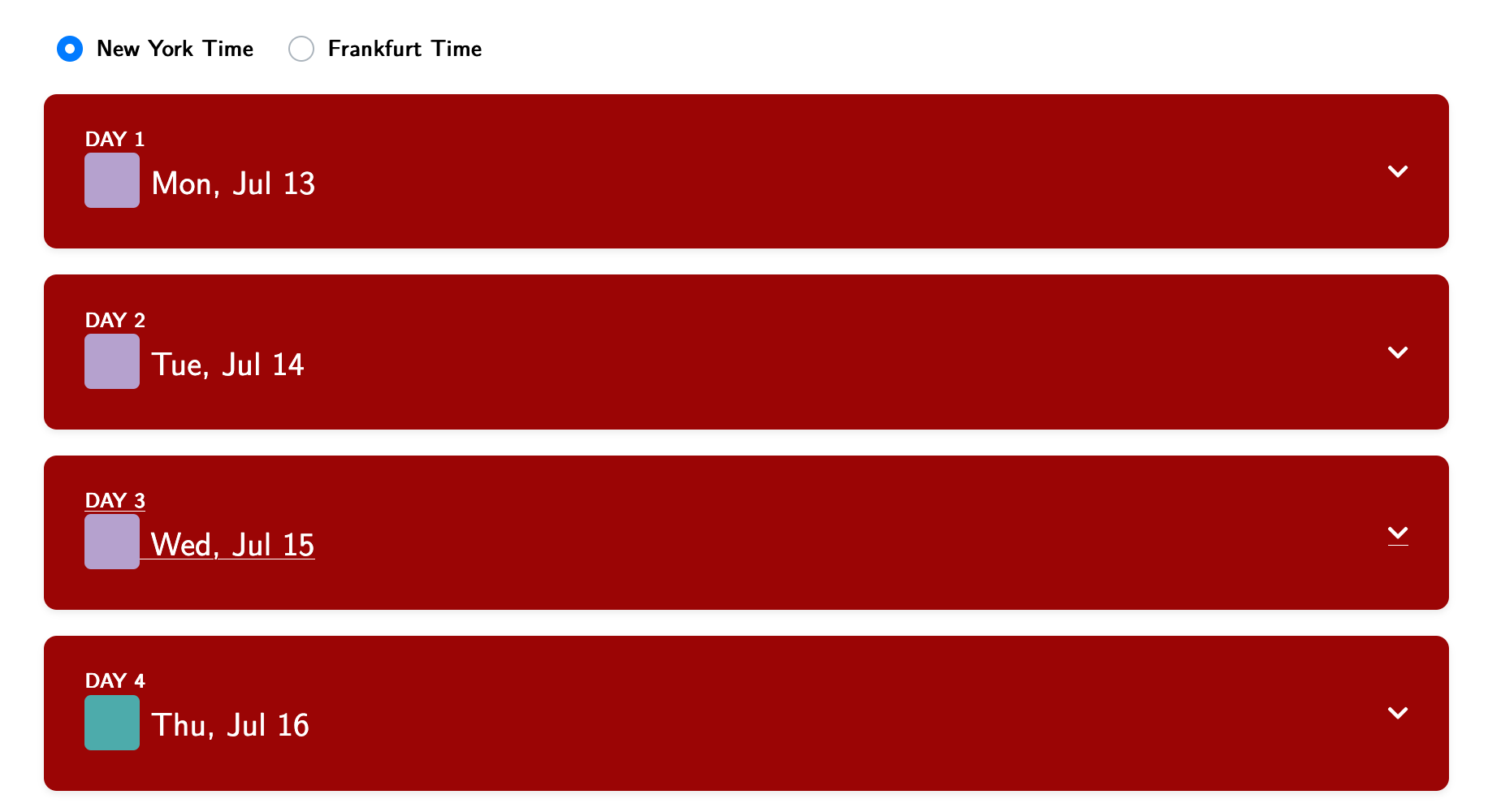
I wanted to print the entire page so I could see every day's schedule at once. That was when I noticed that only one tab can be open at any time; clicking on another day closes the currently open tab! Thus, one could only print one day at a time. Frustrating!
Taking advantage of AI, I gave GPT the link to the webpage, and asked it to gather all the information and produce a PDF file that lays out each day's activities.
Within a few seconds, it offered a PDF with a table containing key pieces of information.
I had to iterate this a bit. For example, I prefer to have dates running horizontally, using a landscape layout. Besides, the first attempt inexplicably put the session times in the footnote rather than in the main table.
After a few iterations, GPT went on strike. I must have been on a free account; it went out of "messages". I wondered whether this would have occurred if I had been using my paid account.
Regardless, I moved the work over to Claude, which it completed beautifully. For some reason, GPT has given me a table in which the text inside each cell was not wrapped. I uploaded the PDF to Claude and asked it to fix the word wrapping. Not only did it wrap the words, it also added color shading.
Those are two good use cases of current AI. These tasks did not lead to a doom loop of prompt changes. The first task didn't even require any re-dos; the second task went through several iterations.
Will these use cases last? I'm not so sure, because of an underlying tension between the AI developers and the content owners. Imagine a scenario in which the website designer deliberately wants to show visitors one thing at a time (one motivation may be to insert more ads into the user flow). The person who uses AI to circumvent this design is defying the will of the website owner. The AI platform is caught in the middle.
Similarly, publishers of PDF documents sometimes deliberately obscure the text, making it hard for us to even copy and paste. They surely would not condone an AI agent circumventing the obsfuscation technology.
If the chart designer does not link to the underlying data, it may have to do with licensing or commercial reasons. Perhaps they don't want readers to see the data. An AI agent that sniffs out the dataset is crossing a line.
These chart designers, PDF publishers and website developers are not merely being petty. There are people out there who scrape their content and resell them, depriving them of traffic and revenues. Indeed, the entire AI industry is built on scraping third-party content, repackaging and reselling them.
Is there common ground?